“Breakfast is the most important meal of the day.” You’ve probably heard it from your gran, your teacher and the back of a cereal box. But is it true when you’re trying to lose weight, or is it one of those sayings we repeat without checking?
The answer is a little more interesting than yes or no. Research suggests that what you eat in the morning may matter more than whether you eat at all. In this article, you’ll learn what the research says about breakfast and weight, why protein makes a difference, and how to put together a healthy breakfast for weight loss that keeps you going until lunch.

What the Research Says About Breakfast and Weight
Here’s a plot twist. A 2019 review of 13 trials found that eating breakfast didn’t help people lose weight. People who ate breakfast took in about 1,090 kilojoules more a day than those who skipped it, and skippers weighed slightly less. The researchers added that most of the studies were of low quality, so the results should be read with caution. On the other side, a study of nearly 3,000 people who had lost at least 13.6 kg and kept it off found that 78% ate breakfast every day. Only 4% never ate breakfast.
So Should You Eat Breakfast or Not? Both findings can be true at once. Adding a big breakfast on top of your usual eating won’t magically melt kilos. But a planned breakfast that replaces mindless snacking later in the day can be part of a routine that works. The real question isn’t “breakfast or no breakfast?” It’s “which breakfast?”
Why Protein Matters at Breakfast
In one study, young women who usually skipped breakfast tried three options: no breakfast, a cereal breakfast with 13 g of protein, or an egg and beef breakfast with 35 g of protein. Both breakfasts had the same kilojoules. The high-protein breakfast kept them fuller and cut down on evening snacking on high-fat foods.
That fits with what we know about protein and fullness. If you’d like to work out your own target, here’s a guide on how much protein you need each day.
What a High-Protein Breakfast Looks Like: Think eggs on wholewheat toast, plain yoghurt with fruit and seeds, or oats made with milk. Each one gives you protein and fibre, which helps keep hunger quiet until lunch.
A Shake for Busy Mornings
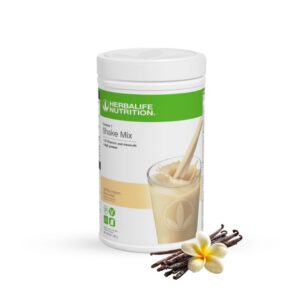
Let’s be honest. Most weekday mornings in South Africa involve school runs, traffic and a hunt for car keys. Cooking eggs isn’t always on the cards. That’s where a shake can step in. I recommend Herbalife Formula 1 Shake Mix mixed with milk or a soya drink. It takes a minute to make and gives you protein, fibre, vitamins and minerals in one glass.
To add protein, mix in a scoop of Herbalife Protein Drink Mix.
New to shakes? The Weight Loss Meal Replacement Pack gives you Formula 1 and Protein Drink Mix together.
The Shake Mix Multi-scoop measures the right amount of each product, so there’s no guesswork before your first coffee.
A Herbalife Neon Shaker lets you mix your shake and take it with you, which is handy when breakfast happens at a red light.
Prefer oats? Stir a scoop of Herbalife Multifibre Drink in Apple into your oats or your shake for extra fibre. Pair your breakfast with a glass of water too, because drinking water for weight loss is one of the easiest habits to build.
You’ll find these products and more in the Herbalife South Africa range.
Breakfast Mistakes to Avoid
The first mistake is reaching for pastries, muffins or sugary cereal. They’re quick, but they’re low in protein and you’ll likely be hungry again by ten o’clock. The second is treating breakfast as a bonus meal. If you eat breakfast, it should fit into your day’s plan, not sit on top of it. And if you genuinely aren’t hungry in the morning, that’s okay. Focus on a balanced first meal when you do eat.
Ready to Start Your Day the Healthy Way?
A healthy breakfast won’t do all the work, but the right one can set up your whole day. Choose protein, add fibre, keep it simple and make it part of a plan.
Want help building a morning routine that works for you? The My Herbal Health 10-Day Challenge gives you a daily eating plan, coaching and a group to keep you on track. Join the next challenge and let’s make breakfast count.